Tìm đại lý, cộng tác viên
Hypekasino Casino ist die beste Wahl zum Spielen
Wir von Hypekasino Casino verstehen, wie schwierig es ist, unter den vielen Online-Plattformen den richtigen Ort zu finden https://hypekasino.eu/. Unser Ziel war es von Anfang an, eine Umgebung zu schaffen, die modernes Design mit absoluter Zuverlässigkeit verbindet. Wir haben keine lauten Versprechungen nötig, denn unsere Stärke liegt in den durchdachten Details und einer klar gegliederten Benutzerführung, die vom ersten Klick an ein unmittelbares Spielgefühl bietet.
Eine kuratierte Spielbibliothek für jeden Geschmack
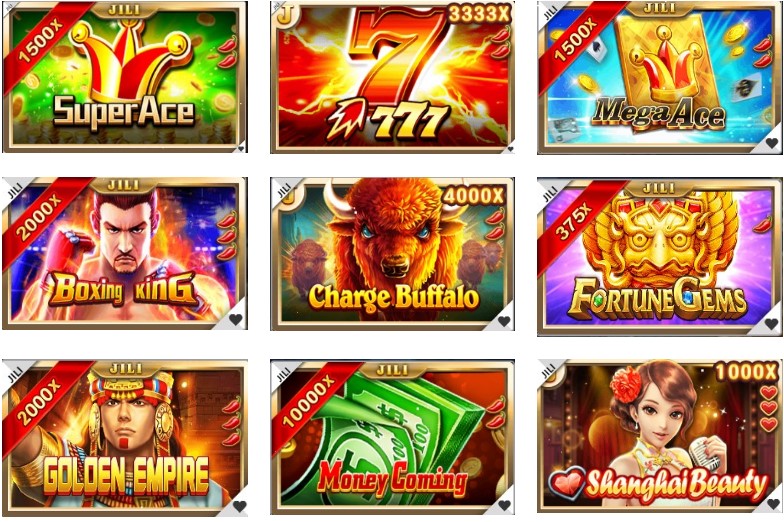
Unser Spielportfolio ist der Kern der Plattform, und wir pflegen ihn mit äußerster Aufmerksamkeit. Statt auf Masse setzen wir auf erlesene Qualität. Wir kooperieren mit den renommiertesten Entwicklerstudios der Branche, um jederzeit originelle und moderne Titel präsentieren zu können. Diese Kooperationen erlauben es uns, besondere Releases häufig parallel mit dem internationalen Markt zu zeigen, was unsere Auswahl besonders attraktiv für Enthusiasten macht.
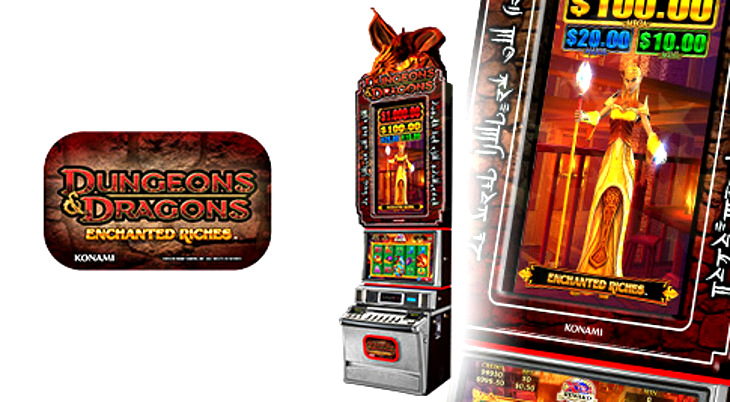
Auf unserer Seite navigiert man intuitiv, denn wir haben klare Kategorien für Slots, Tischspiele und Live-Erlebnisse entwickelt. Sehr zufrieden sind wir auf die Bandbreite der Slot-Abteilung, die von traditionellen Einarmigen Banditen bis hin zu aufwendigen Video-Spielautomaten mit kinoreifer Grafik reicht. Jeder Automat wird von uns vor der Aufnahme überprüft, um eine einwandfreie Performance auf mobilen Geräten und Desktop-Computern zu garantieren.
Für Liebhaber strategischer Einsätze führen wir eine Vielzahl an Blackjack- und Roulette-Varianten, die durch realistische Physiksimulationen begeistern. Unsere Sammlung wächst beständig, ohne dabei an Struktur einzubüßen. Wir erkennen, dass ein zu voller Bildschirm eher abschreckt als inspiriert. Daher bieten wir clevere Filterfunktionen und eine Suchfunktion, die rasend schnell den gesuchten Slot findet und so kostbare Spielminuten sichert.
Vielseitige Einzahlungsmethoden ohne Kompromisse
Im Segment der Zahlungsoptionen haben wir uns bewusst breit aufgestellt, um jedem Nutzer gerecht zu werden. Wir wissen, dass die gewählte Methode stark von individuellen Vorlieben und der Region bestimmt wird. Deshalb binden wir klassische Überweisungen, gängige Kreditkarten sowie moderne E-Wallets in unser System mit ein. Darin ist uns die Geschwindigkeit der Transaktionen ein wesentliches Anliegen, denn kein Spieler möchte vor einer interessanten Session lange auf die Gutschrift warten.
Schutz steht bei allen Finanzoperationen an erster Stelle. Wir verschlüsseln sämtliche Datenströme mit fortschrittlichster Technologie und bringen unsere Systeme durch regelmäßige Kontrollen auf dem modernsten Stand. Einzahlungen werden in der Regel direkt verarbeitet, bei Auszahlungen folgen wir einem eindeutigen Prüfprozess. Dokumente zur Verifizierung werden nur einmalig angefordert und unsere Finanzabteilung agiert zügig, um Freigaben ohne überflüssige Bürokratie zu auszustellen.
Wir bieten zudem die Möglichkeit, Limits für Einzahlungen im eigenen Konto zu definieren. Diese Funktion ist für uns keine lästige Pflicht, sondern ein praktisches Hilfsmittel, das wir aktiv fördern. Wer seine Aktivität pragmatisch einschätzen und steuern möchte, entdeckt bei uns die geeignete Konfiguration in kurzer Zeit. So verbleibt das Spielerlebnis genau dort, wo es seinen Platz hat: im Bereich der Freizeit und Unterhaltung.
Der mobile Auftritt: Unterbrechungsfrei und robust
Wir haben erkannt, dass der Trend deutlich zum mobilen Spielen geht, und unser System entsprechend entwickelt. Es gibt keine funktionalen Abstriche im Gegensatz zur Desktop-Ansicht. Alle Spiele, Zahlungsfunktionen und das gesamte Kontenmanagement funktionieren direkt im Browser des Smartphones oder Tablets, ohne dass eine separate App heruntergeladen werden muss. Der reaktionsfähige Aufbau gleicht sich jeder Bildschirmdiagonale automatisch an.
Unsere Entwickler legen großen Wert auf Touch-Interface-Optimierung. Schaltflächen sind groß genug für bequeme Daumenbedienung, und die Navigation wurde für senkrechtes Scrollen entworfen. Die Ladezeiten sind selbst in Mobilfunknetzen kurz, weil wir ein effizientes Caching und verkleinerte Assets nutzen. Ein gestörter Spielfluss durch ausgedehnte Wartezeiten ist für uns ein Mangel an Qualität, den es folgerichtig zu vermeiden gilt.
Sicherheitsprotokolle und verantwortungsvolles Spielen
Wir sehen Sicherheit und Spielerschutz als unzertrennliche Einheit. Unsere Plattform operiert unter einer gültigen Lizenz, die strikte Auflagen bezüglich Datenschutz und Spielintegrität vorgibt. Die genutzten Server sind räumlich getrennt und physisch abgesichert. Zufallsgeneratoren werden von unabhängigen Prüfstellen zertifiziert, sodass Ergebnisse echt zufällig und nicht manipulierbar sind.
Das Thema verantwortungsvolles Spielen ist fest in unserer Philosophie integriert. Wir bieten eine umfangreiche Palette an Schutzfunktionen zur Verfügung, die aktive Selbststeuerung gestatten. Das beginnt bei einfachen Einzahlungslimits und erstreckt über den Session-Timer, der die bisherige Spielzeit anzeigt, bis hin zur temporären Selbstsperre. Unsere Mitarbeiter im Support sind trainiert, auf verdächtiges Spielverhalten diskret hinzuweisen und Hilfestellung zu leisten.
Zusätzlich arbeiten wir mit externen Organisationen, die fachspezifische Beratung anbieten. Diese Kontakte sind stets mit einem Klick erreichbar. Wir sind überzeugt, dass Transparenz und Kontrolle für den Nutzer das Basis eines dauerhaft positiven Spielerlebnisses darstellen. Ein sicherer Rahmen ist kein Hindernis für Nervenkitzel, sondern die unverzichtbare Bedingung dafür, dass Entspannung nicht in Stress übergeht.
Kundenbetreuung, den gern kontaktiert
Wir besetzen unseren Kundenservice mit qualifizierten Fachkräften, die kommunikativ und technikaffin sind. Der Live-Chat ist das effektivste Kontaktmedium und durchgehend verfügbar, was besonders für Nachtschwärmer und Frühaufsteher bedeutsam ist. Wir haben die Beobachtung gewonnen, dass ein persönlicher Ansprechpartner in schwierigen Momenten einen großen Unterschied macht, ob bei technischen Fragen oder Unklarheiten zu Bonusabrechnungen.
Parallel dazu führen wir eine detaillierte Hilfe-Sektion, die wiederkehrende Fragen inhaltlich strukturiert. Hier erklären wir Abläufe präzise mit Screenshots und Schritt-für-Schritt-Anleitungen. Wer das Problem bevorzugt selbstständig klären möchte, entdeckt dort oft direkt eine passende Antwort. Für schwierigere Anliegen, die eine Prüfung erfordern, ist die E-Mail-Option die passende Wahl, und wir melden uns binnen weniger Stunden.
Wir messen die Qualität unseres Supports an der Lösungsquote und der Freundlichkeit der Gespräche. Häufige interne Schulungen aktualisieren das Team auf dem aktuellen Stand der Plattformentwicklung. Unsere Philosophie ist es, nicht nur Probleme zu klären, sondern den Fragesteller so zu informieren, dass die Unsicherheit nicht mehr wieder auftaucht. Der Ton ist dabei stets höflich und pragmatisch.
Angebote, die tatsächlichen Mehrwert bieten
Unser Prämienprogramm ist darauf ausgelegt, langfristige Beziehungen zu unterstützen, statt kurzfristige Lockangebote zu machen. Wir empfangen neue Nutzer mit einem durchdachten Willkommenspaket, das über die ersten Transaktionen aufgeteilt wird. Diese Staffelung ist beabsichtigt. Wir wünschen, dass die Mitglieder die Website in Ruhe kennenlernen, bevor sie sich dem nächsten Bonus zuwenden. Die Durchspielbedingungen gestalten wir klar und ohne heimliche Klauseln.
Für die loyale Community haben wir ein umfangreiches Treueprogramm und limitierte Aktionen entwickelt. Dazu zählen wöchentliche Reload-Angebote, Cashback-Aktionen und Turniere, die mit Preisgeldern oder Freispielen anlocken. Wir legen Wert penibel darauf, dass die Teilnahmebedingungen fair sind und die Mindestanforderungen nicht zu hoch angesetzt werden. Information ist hier der entscheidende Faktor, daher informieren wir frühzeitig per E-Mail oder über die eigene Nachrichtenfunktion.
Ein hilfreiches Element sind unsere personalisierten Angebote. Basierend auf den bevorzugten Spielkategorien bekommen aktive Mitglieder personalisierte Empfehlungen. Wer bevorzugt Tischspiele mag, erhält passende Boni, während Slot-Fans Freispiele für neue Veröffentlichungen kriegen. Wir erblicken keinen Zweck darin, einheitliche Belohnungen zu auszugeben, die am eigenen Geschmack vorbeigehen.
Weshalb unsere Plattform sich von der Masse abhebt
Das Angebot ist übersättigt, und viele Anbieter buhlen mit auffälligen Farben und übertriebenen Gewinnversprechen um Beachtung. Wir gehen einen eigenen Weg. Unser Markenzeichen ist eine harmonische Mischung aus Professionalität und spürbarer Hingabe zum Detail. Die Ladegeschwindigkeit, die Anordnung der Spiele oder die Ausarbeitung der Bonusregeln – all dies sind keine Zufälle, sondern das Ergebnis ständiger Überlegung und Bewertung von Nutzerfeedback.
Wir haben eine Gemeinschaft aufgebaut, in der Fairness als Standard praktiziert wird. Die technische Infrastruktur ist hochverfügbar, und Wartungsarbeiten teilen wir offen und mit Vorlauf. Kontinuierliche Updates der Spielbibliothek und neue Möglichkeiten im Kundenmenü zeigen, dass wir nicht stillstehen. Unsere Ziel ist es, dass jeder Nutzer den Eindruck einer seriösen und glaubwürdigen Spielstätte gewinnt, die dauerhaft Freude bereitet.
- Unverzügliche Auszahlungen nach abgeschlossener Verifizierung
- Rund tausend lizenzierte Spiele von Premium-Entwicklern
- Persönliche Bonusangebote je nach Spielverhalten
- Abgesicherter Live-Chat mit durchschnittlicher Antwortzeit von unter einer Minute
- Monatliche Turniere mit transparenten Ranglisten und planmäßigen Preisausschüttungen
Unsere Stärke liegt in der Konsistenz. Während andere Plattformen mit wechselnden Aktionen durcheinanderbringen, halten wir ein stabiles Niveau und setzen auf stille Qualität. Wem daran gelegen ist, eine Art online Zuhause für Spiel und Spannung zu suchen, braucht nicht weiter zu schauen. Das vollständige System ist darauf optimiert, den Nutzer in den Mittelpunkt zu setzen und den Aufenthalt so unterbrechungsfrei wie möglich zu halten.
Das außergewöhnliche Live-Casino-Erlebnis
Wir statteten das Live-Casino-Segment mit großer Hingabe ausgestattet, weil wir die atmosphärische Komponente des Spiels schätzen. An unseren Tischen arbeiten professionelle Croupiers, die das Spiel in High-Definition aus eigens dafür konzipierten Studios senden. Die Wechselwirkung mit den Spielleitern und anderen Mitspielern verschafft dem Abend eine gesellschaftliche Note, die man im ausschließlich digitalen Raum oft entbehrt.
Die Technologie hinter unserem Live-Bereich ermöglicht Mehrfachkamera-Perspektiven und Wiederholungen in Zeitlupe bei speziellen Ereignissen. Wir hosten nicht nur Standardrunden, sondern auch besondere Game-Shows und exotische Varianten, die man in einem herkömmlichen Casino kaum antrifft. Die Streams sind stabil und dank adaptiver Bitrate auch bei fluktuierender Internetverbindung deutlich, ein Punkt, das für uns grundlegend ist und entscheidend zur Atmosphäre beiträgt.
Das Kontoeröffnung und Kontoführung
Unser Registrierungsprozess ist ein Musterbeispiel in Effizienz. Wir fordern nur die Daten an, die wir regulatorisch benötigen, und organisieren den Ablauf in einige logische Schritte. Nach Minuten wird ein Konto eingerichtet, und die erste Einzahlung kann getätigt werden. Die Identitätsprüfung läuft im Hintergrund, dabei nutzen wir ein automatisiertes System, das Dokumente zügig verifiziert und die Freischaltung beschleunigt.
Das Konto-Dashboard liefert eine umfassende Übersicht über die finanzielle Historie. Alle Transaktion, aller Spieleinsatz und jeder Bonus ist in Echtzeit verfügbar. Wir legen großen Wert auf diese finanzielle Klarheit, denn sie schafft Vertrauen. Wer wissen will, wie hoch der monatliche Umsatz gewesen ist oder wann die letzte Auszahlung geschah, erhält dies ohne Anfrage beim Support. Der Kontoauszug ist exportierbar und chronologisch angeordnet.
Fragen und Antworten
Wie sicher sind meine persönlichen Daten bei Hypekasino Casino?
Wir schützen private Informationen mit einer SSL-Verschlüsselung auf Bankenniveau und lagern sensible Informationen auf getrennten, nach ISO-Normen zertifizierten Servern. Unser System durchläuft regelmäßigen Penetrationstests externer Sicherheitsfirmen. Die Weitergabe an Dritte geschieht ausschließlich im Rahmen der mit der Lizenz verbundenen Prüfpflichten. Datenschutz ist bei uns keine hohle Phrase, sondern technische und organisatorische Praxis.
Welche Spielekategorien werden am häufigsten nachgefragt?
Unsere Video-Slots mit progressiven Jackpots bilden die dynamischste Kategorie und ziehen das größte Publikum an. Direkt dahinter folgen die Live-Dealer-Tische mit Blackjack und Roulette in Spielarten wie Speed-Roulette und Infinite-Blackjack. Klassische Tischspiele mit automatisierter Ausgabe besetzen eine konstante Nische. Wir verfolgen die Trends genau und aktualisieren den Katalog quartalsweise um die meistgewünschten Genres und Themenwelten.
Kann ich Hypekasino Casino auf dem Smartphone ohne Download nutzen?
Ja, der vollständige Zugang funktioniert direkt über den mobilen Browser ohne externen Download oder eine APK-Installation. Die progressive Web-App-Technologie erlaubt das Einrichten einer Verknüpfung auf den Startbildschirm, die sich wie eine native App verhält. Alle Funktionen inklusive Live-Chat, Zahlungsverkehr und Turnierteilnahme stehen mobil vollständig zur Verfügung. Die Touch-Steuerung wurde speziell für Einhandnutzung auf kleineren Displays optimiert.
Welche Bedingungen gelten für die Bonusumsatzanforderungen?
Unsere Bonuskonditionen legen den Fokus auf Klarheit. Wir definieren den genauen Umsatzfaktor und die berechtigten Spiele kategorisch in den Bedingungen fest. In der Regel werden Einsätze an Slots vollständig, während Tischspiele und Live-Casino prozentual niedriger gewichtet werden. Maximaleinsatzgrenzen pro Spielrunde während des Bonuszeitraums beugen vor überhastetem Spiel. Wir schlagen vor, vor jeder Aktivierung das Bonuspop-up mit den spezifischen Konditionen vollständig zu lesen.
Wie starte ich eine Auszahlung meines Guthabens?
Gehen Sie in Ihrem Konto zur Kassenübersicht und wählen Sie den Reiter Auszahlung. Selektieren Sie eine zuvor für Einzahlungen genutzte Methode, um den Verifikationsprozess zu beschleunigen. Bei erstmaliger Auszahlung ist eine Identitätsbestätigung mittels Ausweiskopie und Adressnachweis erforderlich. Unser Finanzteam prüft die Dokumente werktags innerhalb von Stunden. Nach der Freigabe hängt die Valuta nur noch vom Zahlungsdienstleister ab.
Was geschieht, wenn eine Live-Spielverbindung verloren geht?
Wir verwenden einen mehrstufigen Wiederherstellungsmechanismus ein. Zuerst versucht das System einen sofortigen Reconnect zum selben Tisch innerhalb eines Zeitfensters von 120 Sekunden. Funktioniert dies, verläuft die Runde normal weiter. Misslingt die Wiederaufnahme, wird der Einsatz gemäß den Regeln des Spieleherstellers erstattet oder der Spielstand nach Abschluss der Runde auf Ihr Konto gebucht. Sie können den Verlauf im Spielprotokoll lückenlos verfolgen.